
Multi-Balm Sticks: K-Beauty’s Latest Overpromise?
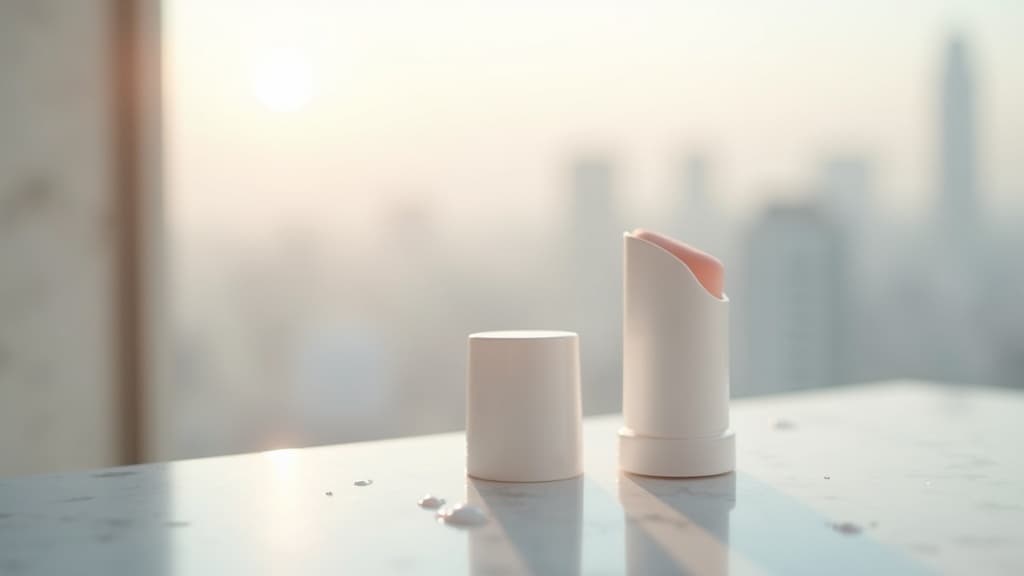
I remember the first time I swiped a balm stick across my cheeks on a dry winter day in Seoul. The glide was effortless, the sheen instant—a quick fix for parched skin that felt like a hug in stick form. But lately, as I scroll through new K-beauty launches, I can’t help but notice the explosion of multi-balm sticks claiming to be everything: moisturizer, eye cream, lip balm, neck cream, makeup base, even a face mist substitute. It’s a tempting idea, but after years of testing products and working in Korean fashion, I’m skeptical. Are these sticks truly the all-in-one solution they promise, or just another trend riding on convenience?
My argument is simple: multi-balm sticks are often a marketing triumph over practical skincare. They prioritize the idea of versatility over delivering meaningful results for specific skin concerns. While I appreciate the concept of simplifying a routine, I’ve found that most of these products struggle to perform well across their many claimed uses, leaving users with a jack-of-all-trades but master of none.
The Appeal of All-in-One Is Real—But Flawed
Let’s start with why these multi-balm sticks have gained traction. K-beauty has always thrived on innovation and convenience, from cushion compacts to sheet masks. A single stick that promises to hydrate lips, soothe under-eyes, and prep skin for makeup fits perfectly into the fast-paced, minimalist mindset of 2026. I’ve seen these products climb the Amazon Best Seller Rankings, with new launches popping up almost weekly. The appeal is undeniable: less clutter, less time, one product to rule them all.
But here’s where my doubt creeps in. Skin needs vary wildly by area—my under-eyes crave lightweight hydration with actives like peptides, while my cheeks often need a heavier occlusive to lock in moisture. A single formulation can’t realistically address these differences with precision. In my experience, multi-use products often dilute their efficacy by trying to cater to too many needs at once. I’ve swiped balm sticks on my lips only to find them too greasy for my neck, or applied them as a makeup base only to watch my foundation slide off by noon.
Historical Context: K-Beauty’s Multi-Use Legacy
K-beauty isn’t new to multi-use products. Think of BB creams, which debuted in the early 2000s as a hybrid of skincare and makeup, blending moisturizer, SPF, and light coverage. They were groundbreaking, but even then, I noticed limitations—shade ranges were narrow, and SPF levels often weren’t enough for full protection. Studies, like one from the Journal of Investigative Dermatology (JID), have pointed out that hybrid products can compromise on individual performance metrics when juggling multiple roles. Multi-balm sticks feel like the latest chapter in this story, promising more than they can deliver.
I’ve also seen this pattern in my years working alongside Korean fashion stylists and makeup artists. Backstage at shoots, we’d often reach for specialized products—eye creams for puffiness, targeted balms for lips—because multi-use options rarely held up under pressure. The industry’s push for “one-and-done” often feels more about selling a lifestyle than solving real skin problems. A 2019 report from Allure (Allure) noted how K-beauty marketing excels at creating perceived needs through clever packaging and multi-function claims, a tactic I see echoed in today’s balm stick boom.

The Science Doesn’t Fully Support the Hype
Let’s dig into the formulations. Many multi-balm sticks highlight trendy ingredients like PDRN (polydeoxyribonucleotide) or collagen, often marketed as anti-aging miracles. But the evidence is thin. A review on PubMed (PubMed) suggests PDRN may support wound healing in clinical settings, but there’s little data on its topical efficacy for wrinkles or hydration at the concentrations found in over-the-counter sticks. Collagen, meanwhile, is often too large a molecule to penetrate skin deeply, as noted by INCIDecoder (INCIDecoder). I’m not convinced these hero ingredients are doing much beyond sounding impressive on a label.
Then there’s the issue of texture and absorption. A balm thick enough to hydrate dry lips is often too heavy for the delicate eye area, risking milia or irritation. Conversely, a lightweight formula for the face might not provide enough barrier protection for rougher patches like elbows or cuticles. In my own testing over the years, I’ve found that multi-use balms tend to sit on the skin rather than absorb, which can feel nice momentarily but doesn’t address long-term hydration or repair.
The Counterargument: Convenience Can Be Enough
To be fair, I understand the other side. Not everyone has the time or budget for a 10-step routine, and multi-balm sticks can be a practical entry point into skincare, especially for beginners. A single product that hydrates multiple areas, even imperfectly, might encourage consistency—something I’ve struggled with myself during hectic fashion weeks. And for travel, tossing one stick into a bag instead of five jars is a real win. Some might argue that even if the balm isn’t perfect, it’s better than skipping skincare altogether.
But I still disagree. Skincare isn’t just about checking a box; it’s about results. If a multi-balm stick leaves your lips hydrated but clogs your pores or fails to protect your neck from dryness, you’re not saving time—you’re creating new problems. I’ve learned this the hard way, abandoning all-in-one products after weeks of uneven results. For me, the trade-off isn’t worth it when targeted products, even just a few, can deliver so much more. If you’re curious about building a streamlined routine that actually works, I’ve written more on this in my post on the Korean skincare routine for beginners.
What This Means for You
As multi-balm sticks continue to flood the market, I hope you’ll pause before buying into the all-in-one promise. Skincare is personal—your skin’s needs can’t always be met by a single swipe. I’m not saying these products have no place; they might work for a quick fix or as a backup. But after years of testing and observing K-beauty trends, I believe real care comes from understanding what each part of your skin needs and addressing it deliberately. Convenience is tempting, but it shouldn’t come at the cost of efficacy. Let’s look past the hype and build routines that truly serve us.
What I have been reaching for
-
COSRX Advanced Snail 96 Mucin Power Essence — High-snail essence for barrier repair, bounce, and post-breakout recovery — a K-beauty staple.
-
LANEIGE Lip Sleeping Mask (Berry) — Overnight lip mask for flaky, dry lips; balm-to-gloss finish by morning.
-
Beauty of Joseon Glow Serum: Propolis + Niacinamide — Propolis-forward serum for glow, pore appearance, and uneven tone without heavy fragrance.