
Serene · Ingredient guide
Ceramides
Ceramides aren't new, they're what your skin forgot how to hold onto.
Also listed as: ceramide, ceramide np, ceramide ap, phytosphingosine
Ceramides are what your skin naturally produces to keep everything locked in place. They're fats, basically, that sit in the spaces between your skin cells, forming a barrier that holds onto moisture and blocks out irritants. I started paying attention to them after that brutal New York winter a few years back, when my cheeks cracked like old leather despite all the hyaluronic acid I slathered on. Turns out, no amount of humectants fixes a broken barrier, and ceramides are the rebuilders. They're not some trendy extract from a rare flower, they're just mimicking what your skin did effortlessly before stress, pollution, or bad cleansers stripped it away. I've got combination skin that flakes on the cheeks but shines across the T-zone, and adding ceramides to my routine cut the tightness without making me oilier. It's practical skincare, the kind my halmeoni probably got from those hanbang creams without ever calling it that. If your face feels like it's betraying you after washing, this is where you start fixing it.
What it does for your skin
- Rebuilds moisture barrier to prevent dryness
- Reduces sensitivity and irritation from environmental stressors
- Strengthens skin against pollutants and allergens
- Improves texture by locking in hydration overnight
- Supports acne-prone skin by calming inflammation
- Compatible with most routines, no heavy residue
The science, plainly
Your skin's outermost layer, the stratum corneum, is made of dead cells packed with lipids like ceramides, cholesterol, and fatty acids. These lipids create a mortar between the bricks of your skin cells, preventing water from evaporating and letting irritants sneak in. Ceramides make up about half of those lipids, and there are different types your body synthesizes, like NP, AP, and phytosphingosine, which is a precursor. When your barrier weakens, you lose hydration fast, leading to dryness, sensitivity, or even breakouts because bacteria and allergens get through easier. Topical ceramides work by slotting into those gaps, restoring the lipid balance. Studies, like one from the Journal of Clinical and Aesthetic Dermatology in 2018, show that applying ceramide-containing creams improves barrier function in as little as a week, measured by reduced transepidermal water loss. It's not magic, it's replenishing what your skin already knows how to do. For folks with damaged barriers from over-exfoliating or harsh weather, this means less inflammation and better overall resilience without clogging pores.
Who it's for
Anyone with a compromised barrier, like dry or sensitive skin types that feel tight after cleansing. That's me in winter, or you if you're dealing with eczema flares, post-retinol peeling, or just the daily grind of city air. Combination folks like myself benefit without added oiliness. Skip if your skin is already balanced and hydrated, no need to fix what isn't broken, but even oily acne types can use it to soothe without greasiness.
How to use it
Layer ceramides in your PM routine after cleansing and toning, before heavier creams. I do it right after essence, a pea-sized amount of a ceramide moisturizer massaged into cheeks and jawline. Use nightly if your barrier's damaged, or every other night to maintain. In the AM, pair with SPF for protection. Start slow if sensitive, maybe twice a week, to avoid any initial pilling. Look for multi-ceramide blends with NP and AP for broad coverage. Frequency depends on need, but consistency over two weeks shows results on my skin. Avoid mixing with strong acids initially to let it settle.
Things to watch for
Irritation is rare since they're skin-identical, but watch for synthetic versions in cheap formulas that might clog. Aim for 0.1-1% concentration, anything higher is overkill and pricey. Layering conflicts are minimal, but don't slather over silicones, it can pill. Fakes pop up in dupes without real ceramides, so check INCI for ceramide NP or AP, not just 'ceramide complex.' If you have nut allergies, confirm phytosphingosine sources, though it's usually plant-derived and safe.
7 Ceramides picks from Serene's catalog
Products in the Seoul Rite catalog that contain ceramides, ranked by buyer rating × review volume.
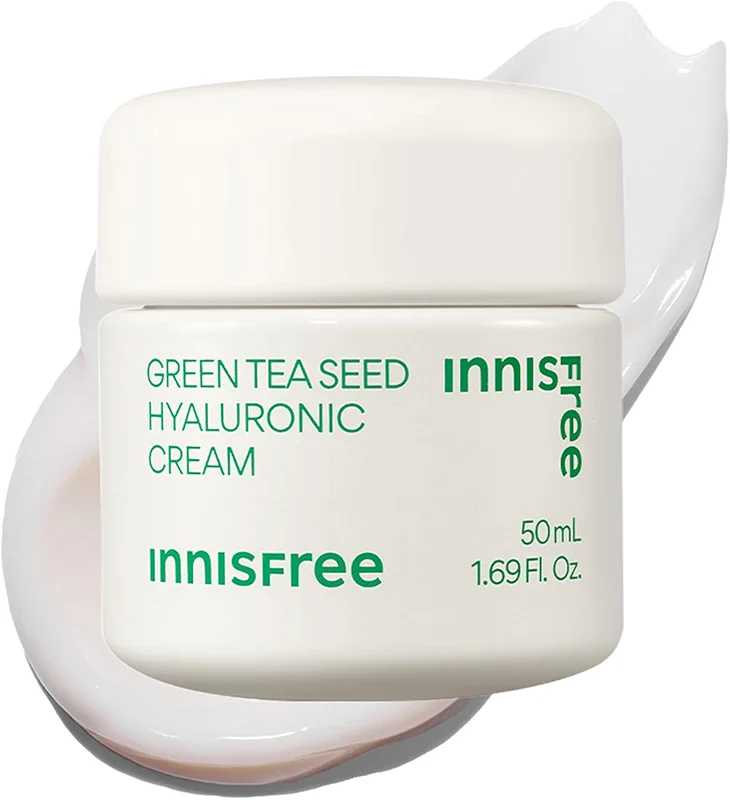
innisfree
innisfree Green Tea Seed Hyaluronic Acid Cream with Skin Barrier Boosting
4.8★ · $30.00
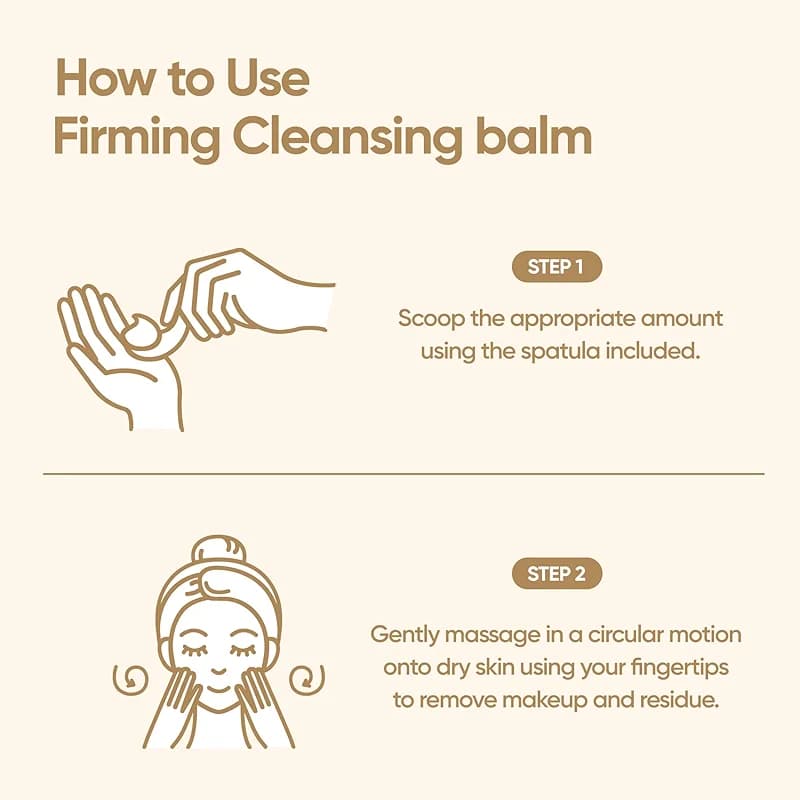
BANILA CO
BANILA CO Clean it Zero Firming Cleansing Balm | Korean Makeup Remover
4.7★ · $17.49
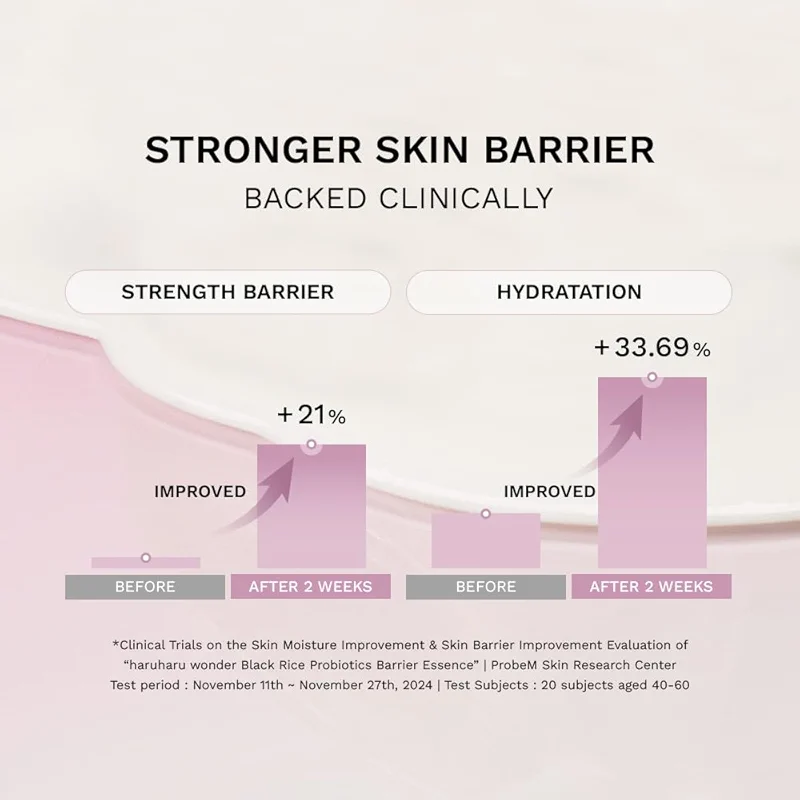
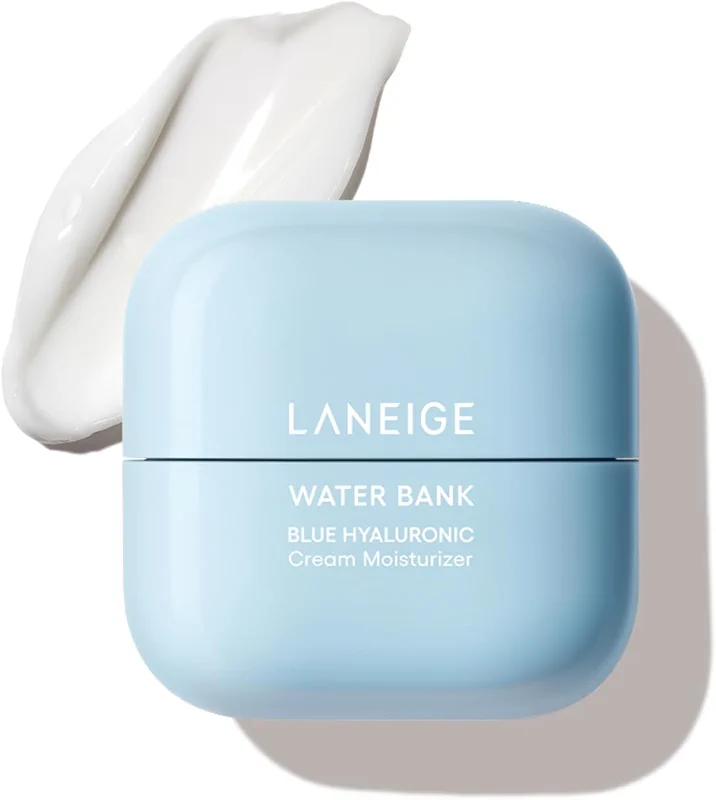
LANEIGE
LANEIGE Water Bank Blue Hyaluronic Cream Moisturizer: Hydrating Korean
4.7★ · $38.00
LANEIGE
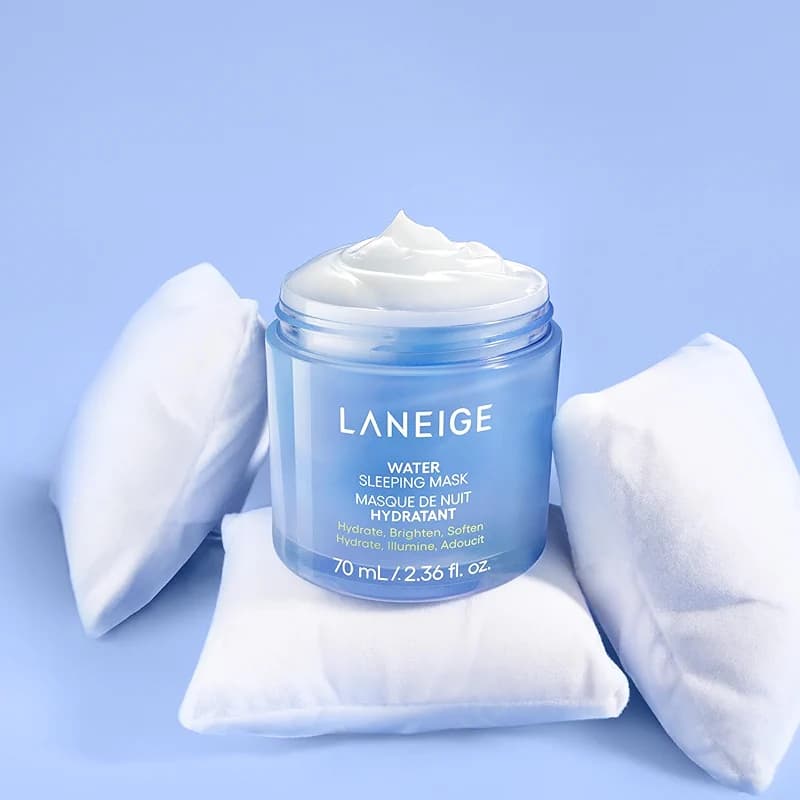
LANEIGE Water Sleeping Mask: Hydrating Korean Overnight Mask with Squalane
4.6★ · $26.40
abib
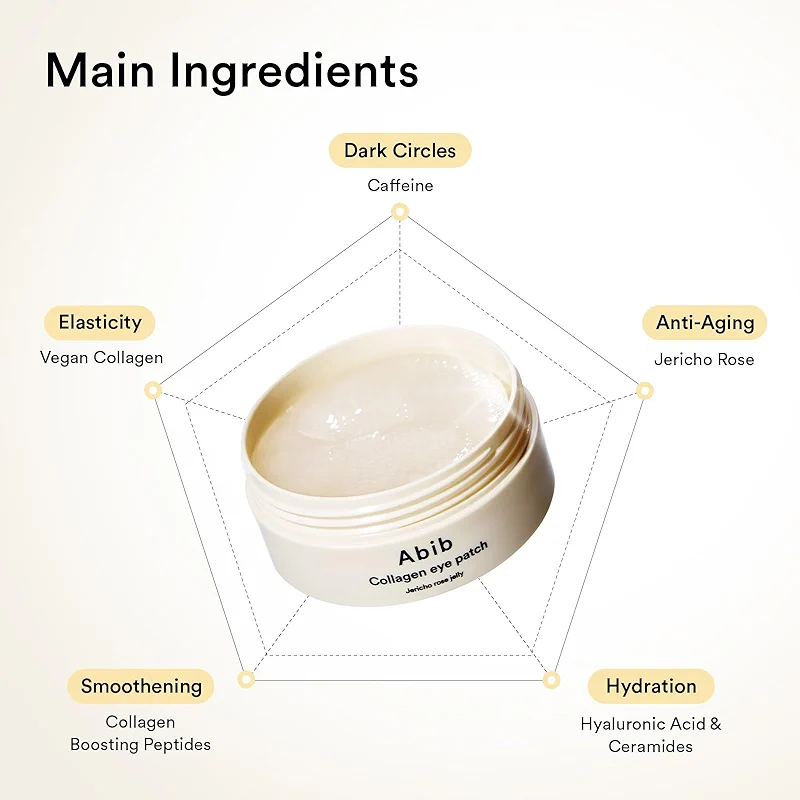
Abib Collagen Peptide Eye Patches for Wrinkles & Fine Line with Jericho
4.6★ · $18.40