
Serene · Ingredient guide
Glycolic acid (AHA)
Glycolic cuts through dullness like nothing else, no hype needed.
Also listed as: glycolic acid, aha, alpha hydroxy, lactic acid, mandelic acid
Glycolic acid is the smallest AHA, pulled from sugarcane, and it's the one that slips deepest into your skin without much effort. I first tried it back in my NYU days, when stress acne left my jawline a mess and nothing else cut through the dullness. Working the Bergdorf counter, I'd see women in their 40s swear by it for that sun-damaged texture they couldn't hide under foundation. It's not magic, but it resurfaces the surface, smoothing out the rough patches and fading those stubborn spots from too many unprotected summers. I care because it's one of the few actives that actually delivers on texture without the hype. In my Flushing apartment routine, it's the Tuesday night step that makes my skin feel alive again after a week of subway grime and office air. No 10-step drama, just consistent use that works on real skin, not Instagram filters.
What it does for your skin
- Smooths rough texture from buildup and dryness.
- Fades dark spots and sun-induced hyperpigmentation.
- Brightens dull skin for a more even tone.
- Minimizes enlarged pores by clearing debris.
- Boosts collagen to soften fine lines over time.
- Improves overall radiance without harsh scrubbing.
The science, plainly
Glycolic acid works by dissolving the glue that holds dead skin cells together on your epidermis, the outermost layer. This 'glue' is made of lipids and proteins in the stratum corneum, and glycolic breaks those bonds through a process called chelation, essentially loosening the cells so they slough off faster than they would naturally. As the smallest AHA molecule, it penetrates quicker than bigger ones like lactic or mandelic, reaching deeper to boost cell turnover. That turnover stimulates collagen production in the dermis below, helping to plump fine lines and even out pigmentation from sun damage. Studies back this: a 1996 Journal of Dermatological Treatment paper showed 8% glycolic peels reduced photoaging signs in 20 weeks, with improved texture and less hyperpigmentation. Another from the International Journal of Cosmetic Science in 2001 confirmed it enhances hyaluronic acid synthesis for better hydration. It's pH-dependent too, most effective around 3-4, which is why cheap formulas often flop if they're not formulated right. On my combination skin, it tackles dullness without wrecking the barrier if I ease in slow.
Who it's for
If you're dealing with dull, uneven texture from years of sun exposure or just city pollution, glycolic is your pick, especially if your skin leans normal to oily and tolerates acids well. It's ideal for those in their 20s to 50s chasing that resurfaced glow without downtime. Skip it if you have very sensitive, rosacea-prone skin or active eczema, since it can sting and inflame. Pregnant folks might want to pause too, though low concentrations are generally fine. For me, with my oily T-zone and dry cheeks, it's a winter staple to combat New York dullness, but I wouldn't push it on super dry types who need gentler lactic instead.
How to use it
Start with a 5-7% serum or toner in your PM routine, two to three nights a week, after cleansing but before thicker creams. Layer it under moisturizer to buffer, and always follow with SPF in the AM since it makes skin sun-sensitive. I do mine after work, post-shower, letting it sit 20 minutes before essence. Once tolerated, bump to nightly or try a 10% peel weekly on weekends. For beginners, patch test on your inner arm first. Pair with niacinamide for calming, but avoid mixing with vitamin C same time to prevent irritation. In my routine, it's essence then glycolic, then Sulwhasoo cream, keeping it to three steps total. Ramp up slow over two weeks to avoid flaking.
Things to watch for
Irritation is the big one, starting as tingling but turning red or peeling if you overdo concentration over 10% or skip buffering. Look for pH-balanced formulas around 3.5-4, and ignore 'AHA blend' labels that dilute it with lactic or mandelic without specifics. Fakes on Amazon often have unstable pH, leading to burns, so stick to brands like The Ordinary or Paula's Choice. If you're on retinoids, alternate nights to avoid barrier damage, which is that protective layer keeping moisture in. Dry climates like my winter Flushing amplify sensitivity, so hydrate heavy. No major conflicts, but watch for fake 'natural' claims, since pure glycolic is synthetic-derived.
7 Glycolic acid (AHA) picks from Serene's catalog
Products in the Seoul Rite catalog that contain glycolic acid (aha), ranked by buyer rating × review volume.
medicube
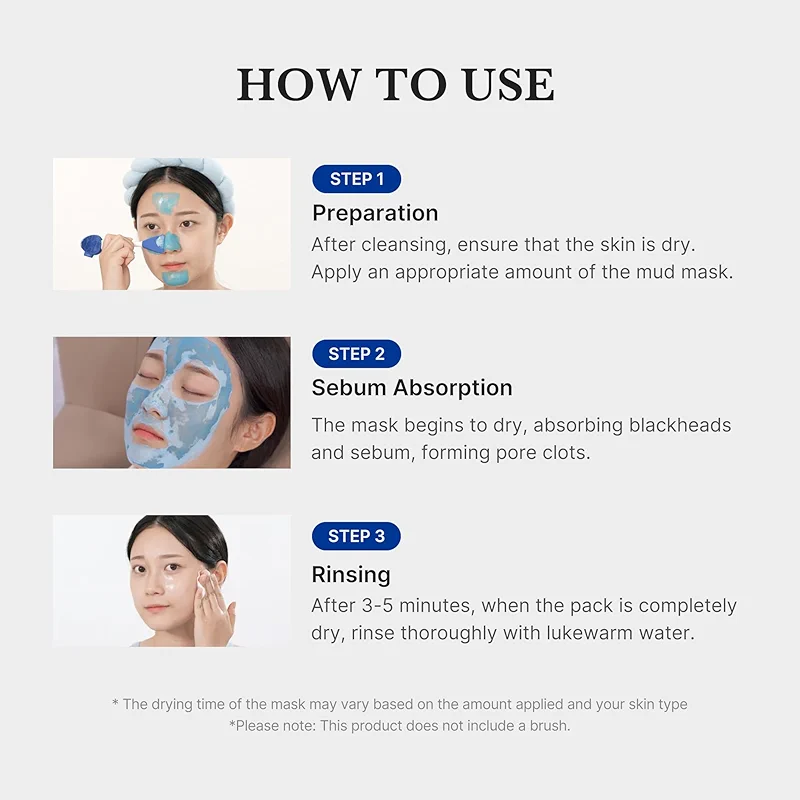
Medicube Zero Pore Blackhead Mud Facial Mask - Skin Cooling & Pore
4.5★ · $15.12