Serene · Ingredient guide
Hyaluronic acid
Hyaluronic acid is hydration's quiet hero, but pair it with humidity smarts.
Also listed as: hyaluronic acid, sodium hyaluronate, hyaluronate
Hyaluronic acid. It's the hydration workhorse everyone talks about, and for good reason. I remember my first winter in New York after coming back from Seoul, my cheeks cracking like old leather under the dry heat from the radiators. I slathered on a hyaluronic acid serum, and it was like my skin finally remembered what plump felt like. But here's the thing nobody mentions enough: humidity changes everything. In sticky Flushing summers, it pulls moisture from the air and keeps things balanced. Come January, with the heat blasting, it just sits there unless you layer it right. Sodium hyaluronate is the salt form, smaller molecules that sink in deeper, hyaluronate is basically the same family. I've tested it on my combination skin during subway commutes and desk days, and it's reliable without the hype. Not magic, but essential if your skin ever feels tight by noon.
What it does for your skin
- Instantly plumps skin by locking in moisture.
- Reduces the look of fine lines from dehydration.
- Strengthens the moisture barrier against daily dryness.
- Works in any weather, adapts to humidity levels.
- Non-irritating for sensitive skin types.
- Improves makeup wear by smoothing texture.
The science, plainly
Hyaluronic acid is a naturally occurring sugar molecule in your skin, produced by cells called fibroblasts. It acts like a sponge, capable of holding up to 1,000 times its weight in water, which helps maintain the skin's moisture barrier. At the cellular level, it binds water molecules and delivers them to the extracellular matrix, the gel-like space between skin cells, keeping everything hydrated and plump. This prevents transepidermal water loss, where moisture evaporates from the surface. Studies, like one from the Journal of Clinical and Aesthetic Dermatology in 2014, show topical hyaluronic acid improves skin hydration and reduces fine lines by boosting elasticity. Sodium hyaluronate, its salt version, has a lower molecular weight, so it penetrates better into the deeper layers without needing injections. But it relies on environmental humidity; in dry air, it can draw water from your skin if not sealed in. That's why I always follow it with an occlusive like a light cream, especially in low-humidity spots like my office or the winter subway.
Who it's for
Anyone with dehydrated skin, even if it's oily like my T-zone gets. It's a must for dry or combination types in low-humidity environments, like New York winters or air-conditioned offices. If your skin feels tight after cleansing or you see flakiness around the nose, this is for you. Skip it if your skin is already super hydrated in humid climates and you're prone to milia from heavy layers; it might feel unnecessary there. I've recommended it to friends with hormonal acne scars, as the plumpness helps fade them visually without clogging pores.
How to use it
Use it morning and night after cleansing, before heavier creams. Start with a hyaluronic acid serum or essence, 2-3 drops patted into damp skin for best absorption. Layer it under moisturizer to seal it in; I do this right after toner in my three-step routine. In the AM, follow with SPF, as it pairs well without pilling. Frequency is daily, no need to ramp up unless your skin is ultra-sensitive, then patch test for a week. For travel or my desk drawer, I keep a sodium hyaluronate mist for midday refresh. In humid summers, one layer suffices; in dry winters, double up with a hyaluronate-infused cream at night.
Things to watch for
Irritation is rare, but if you have very dry skin, applying to damp skin prevents it from pulling moisture out in low humidity. Look for concentrations around 0.5-2%; higher can feel sticky. Avoid layering under heavy silicones, as it might trap too much and cause milia. Watch for fakes on Amazon, where 'hyaluronic acid' might be diluted fillers; check for sodium hyaluronate in the ingredients list from reputable brands like COSRX or Hada Labo. No major conflicts, but if you're using retinol, apply HA first to buffer dryness.
8 Hyaluronic acid picks from Serene's catalog
Products in the Seoul Rite catalog that contain hyaluronic acid, ranked by buyer rating × review volume.
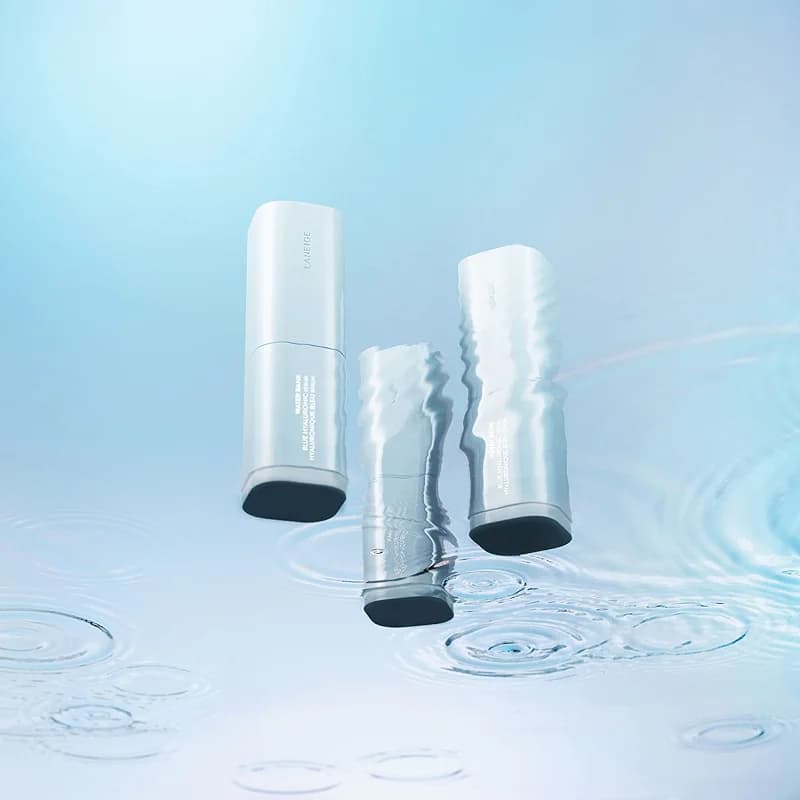
LANEIGE
LANEIGE Water Bank Blue Hyaluronic Serum: Hydrating Face Serum with
4.8★ · $45.00
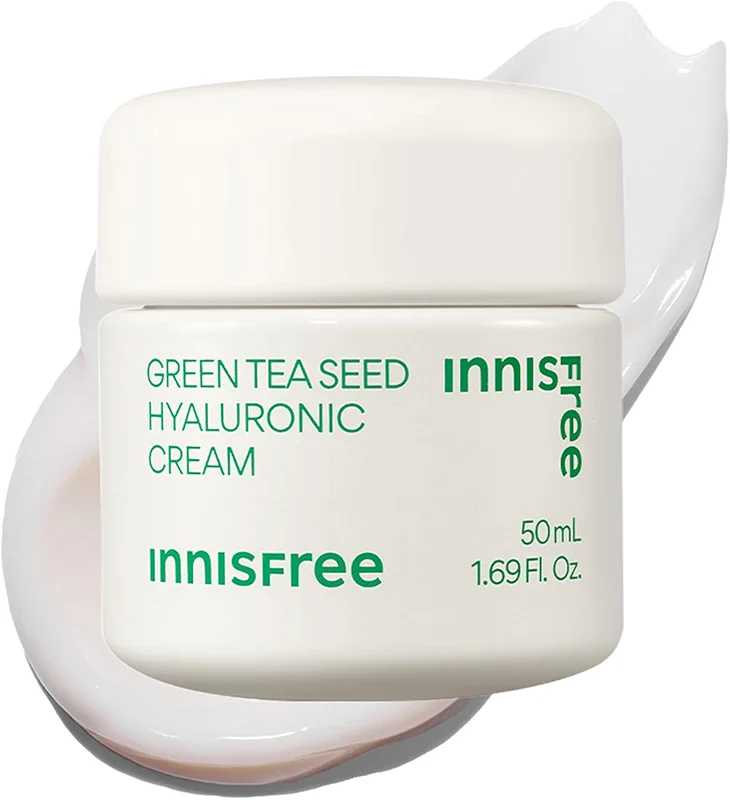
innisfree
innisfree Green Tea Seed Hyaluronic Acid Cream with Skin Barrier Boosting
4.8★ · $30.00
ROUND LAB
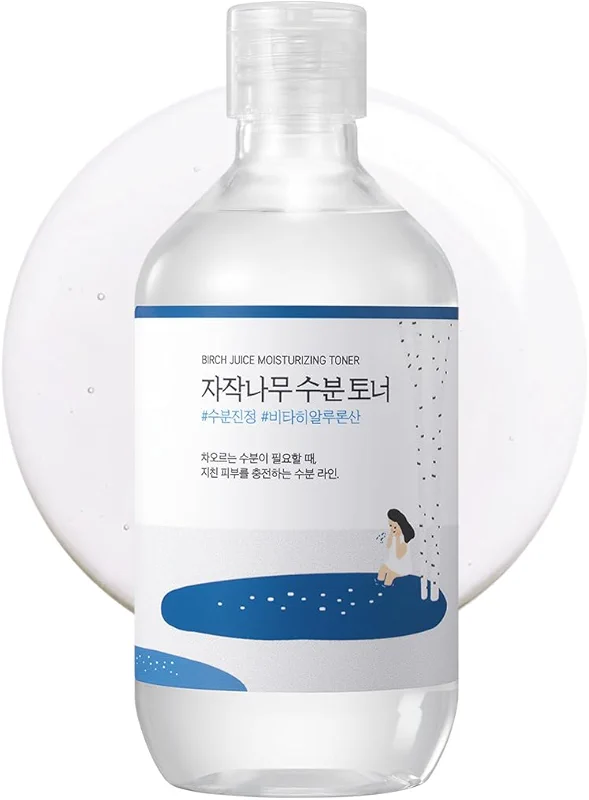
ROUND LAB Birch Juice Moisturizing Toner 300ml / Vita Hyaluronic Acid
4.7★ · $19.90
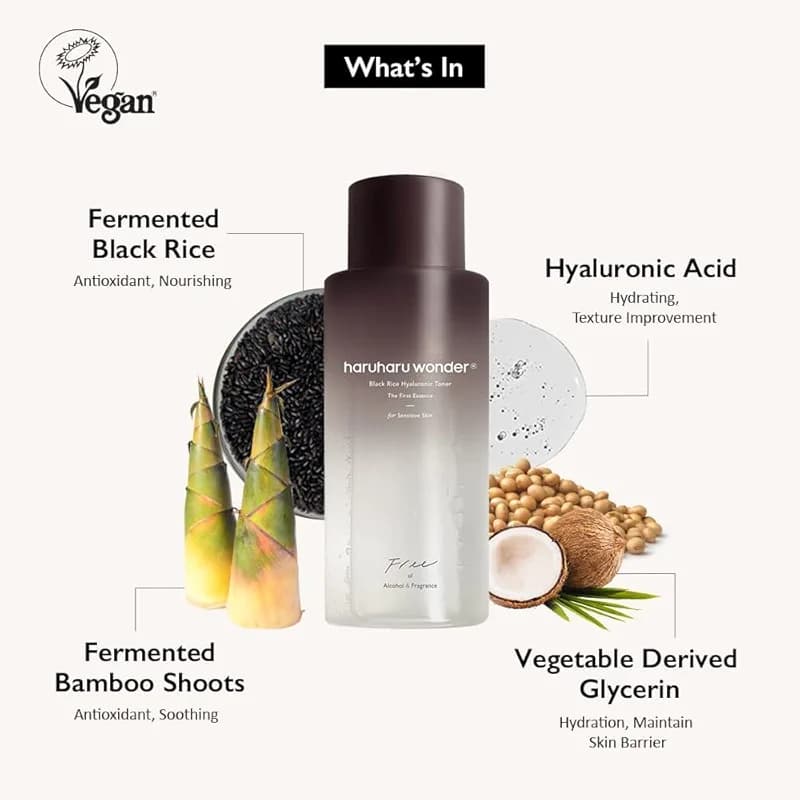
Torriden
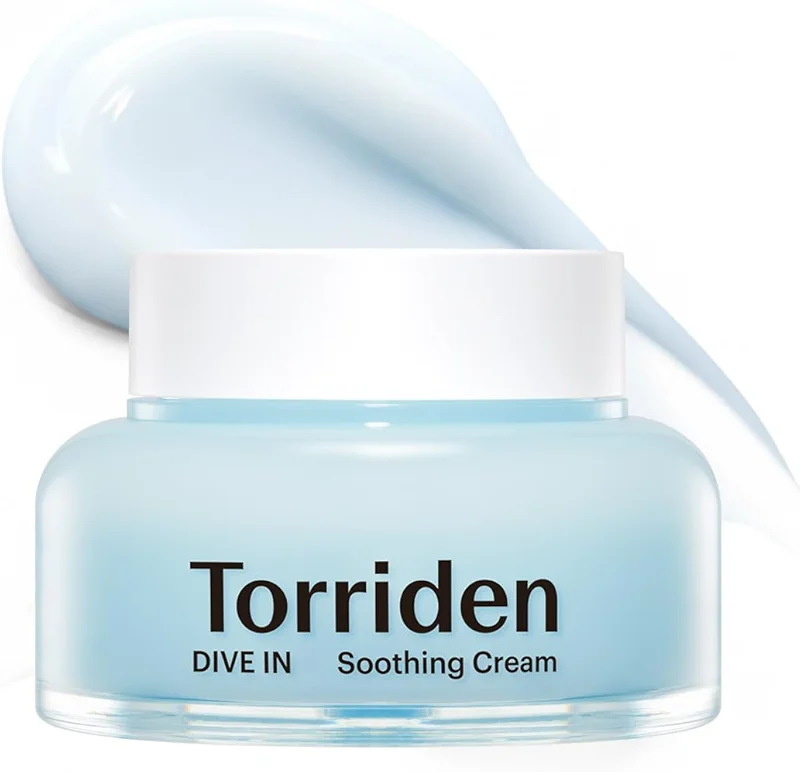
Torriden DIVE IN Hyaluronic Acid Soothing Cream 100ml (3.38 fl. oz) |
4.7★ · $24.30
LANEIGE
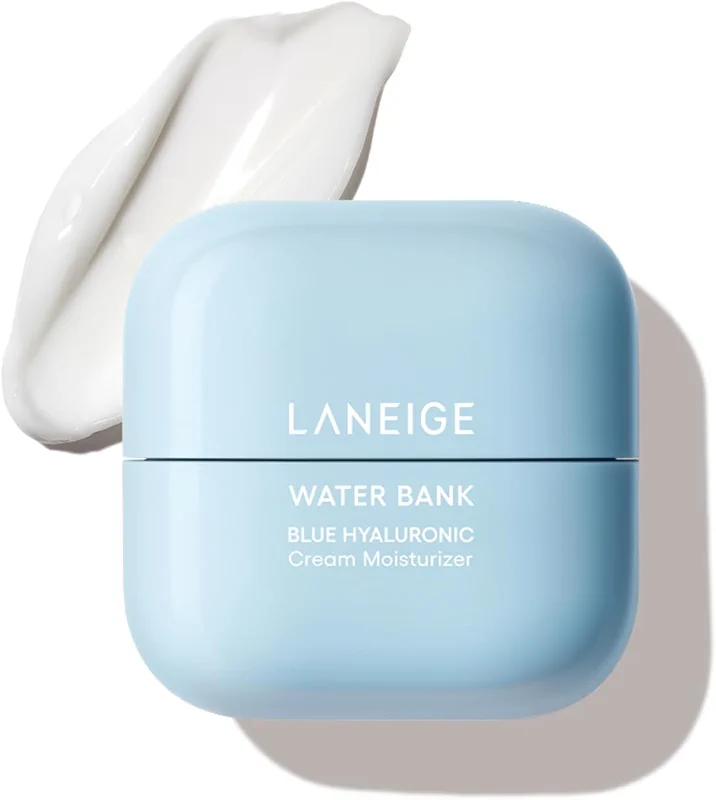
LANEIGE Water Bank Blue Hyaluronic Cream Moisturizer: Hydrating Korean
4.7★ · $38.00