Serene · Ingredient guide
Panthenol (vitamin B5)
Panthenol is the unsung hero that calms my skin when everything else fails.
Also listed as: panthenol, vitamin b5, pro-vitamin b5, dexpanthenol
Panthenol, or pro-vitamin B5, is one of those quiet workhorses in skincare that doesn't scream for attention but gets the job done. I've slathered it on my face after long subway commutes in the Garment District, when my skin feels tight and irritated from recycled air and that one rogue pimple. It's not flashy like some hyaluronic acid serum, but it calms redness and plumps things up without greasiness. I first noticed it in those little COSRX ampoules at Olive Young, where it was tucked into recovery kits for post-laser treatments. What I like is how it mimics the skin's own moisture-locking system, especially useful for my combination skin that flakes on the cheeks in winter but oils up by noon. It's in everything from drugstore lotions to high-end essences, and honestly, it's one of the few ingredients that lives up to the hype without the marketing overload. If you're dealing with sensitivity or just need something reliable for barrier repair, this is your friend.
What it does for your skin
- Calms redness and irritation fast, like after a harsh cleanser.
- Boosts hydration without stickiness, ideal for dry patches.
- Repairs skin barrier to lock in moisture longer.
- Speeds healing from minor cuts or breakouts.
- Reduces transepidermal water loss by up to 20%.
- Gentle enough for sensitive, post-treatment skin.
The science, plainly
Panthenol is a stable form of vitamin B5 that your skin converts into pantothenic acid once it absorbs. That acid is a building block for coenzyme A, which helps cells produce energy and repair damage at the molecular level. When applied topically, it penetrates the outer layers and attracts water, boosting hydration by up to 20% in some studies on dry skin. It also promotes fibroblast activity, the cells that make collagen and elastin, which strengthens the skin's barrier function, that protective layer that keeps moisture in and irritants out. A 2011 study in the Journal of Dermatological Science showed it reduced inflammation in irritated skin by modulating cytokine release, those signaling molecules that can amp up redness. Another from the International Journal of Cosmetic Science found it sped wound healing in small abrasions by 30%, likely because it supports lipid production in the stratum corneum. It's non-comedogenic, meaning it won't clog pores, and works across skin types without disrupting the microbiome. No wonder it's a staple in hospital-grade ointments, but in K-beauty, it's the soothing base for masks and serums that get you through post-peel recovery.
Who it's for
This is perfect for anyone with sensitive or reactive skin, like me after a stressful week of showroom deadlines when everything flares up. Dry or compromised barrier types will love the deep hydration without heaviness. If you're recovering from actives like retinol or acids, or dealing with environmental stress in a city like New York, it's a must. Eczema-prone folks and those with rosacea often see calmer skin. Skip it if your skin is already super hydrated and balanced, no need to overdo it, or if you're allergic to B vitamins, though that's rare.
How to use it
I use panthenol in my PM routine, right after cleansing and before heavier creams, to let it sink in. Start with a 5% serum or mist, 2-3 drops patted into damp skin, three nights a week if you're new to it, then daily. In the AM, layer it under moisturizer and SPF for all-day barrier support, especially if you're masking up on the subway. For recovery, apply a 10% ointment to spot-treat irritated areas overnight. It pairs well with hyaluronic acid for extra hydration but wait five minutes if using acids first to avoid dilution. I've found it amps up sheet masks, so spritz a panthenol toner before applying. Frequency depends on need, but consistency beats intensity, every evening for barrier maintenance.
Things to watch for
Panthenol is low-risk, but high concentrations over 10% can feel tacky or pill under makeup, so test on your inner arm first. It's rare to irritate, but if you have a B5 allergy, steer clear, watch for itching. No major layering conflicts, but don't mix with strong acids in the same step to preserve its humectant pull. Look for products listing it as panthenol or dexpanthenol early in the ingredients, not buried at the end for real efficacy. Fakes are minimal since it's cheap and stable, but avoid 'vitamin B5 complex' gimmicks that add unnecessary fillers. In humid weather, it might pull too much moisture if over-applied.
6 Panthenol (vitamin B5) picks from Serene's catalog
Products in the Seoul Rite catalog that contain panthenol (vitamin b5), ranked by buyer rating × review volume.
BANILA CO
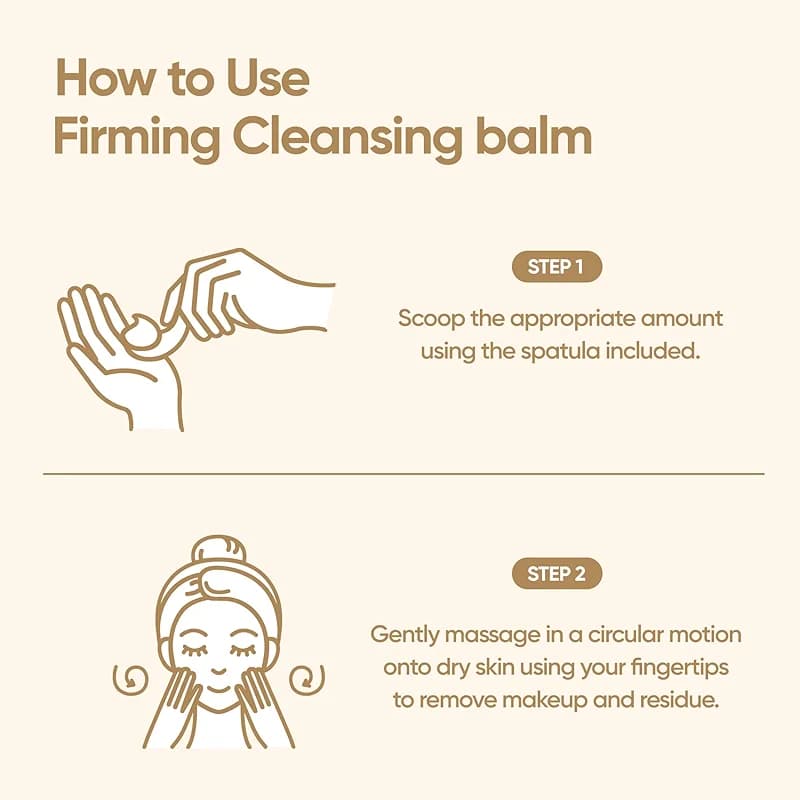
BANILA CO Clean it Zero Firming Cleansing Balm | Korean Makeup Remover
4.7★ · $17.49
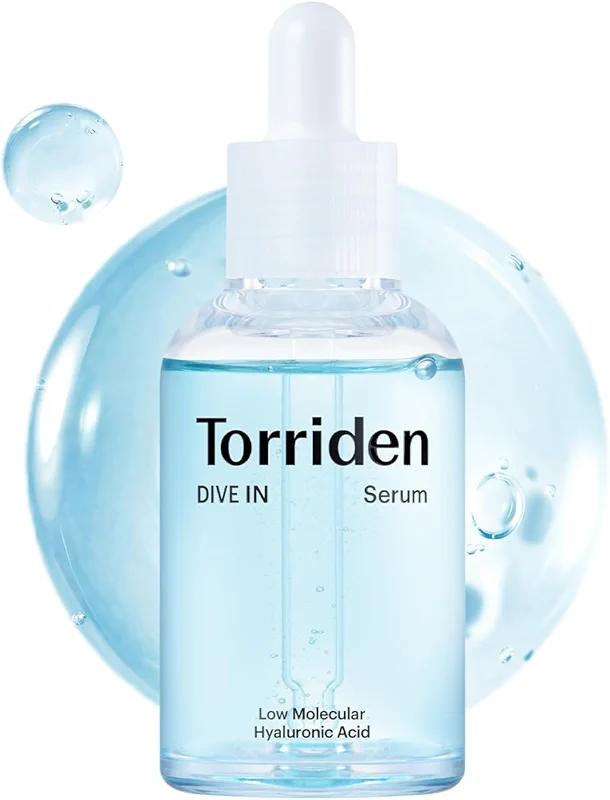
Torriden
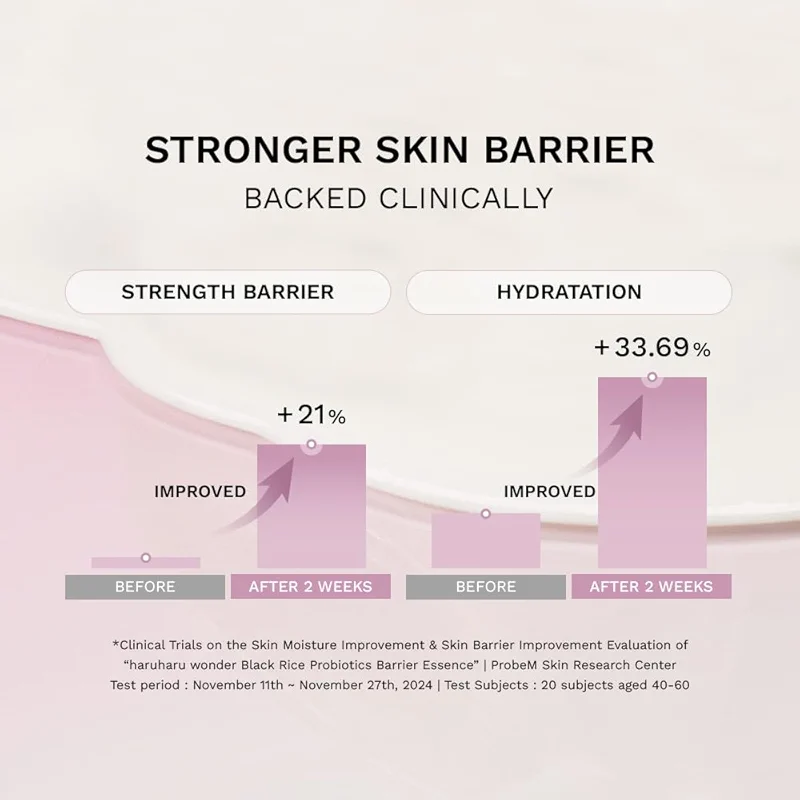
Torriden DIVE IN Hyaluronic Acid Serum for Deep Hydration | Korean
4.5★ · $22.50
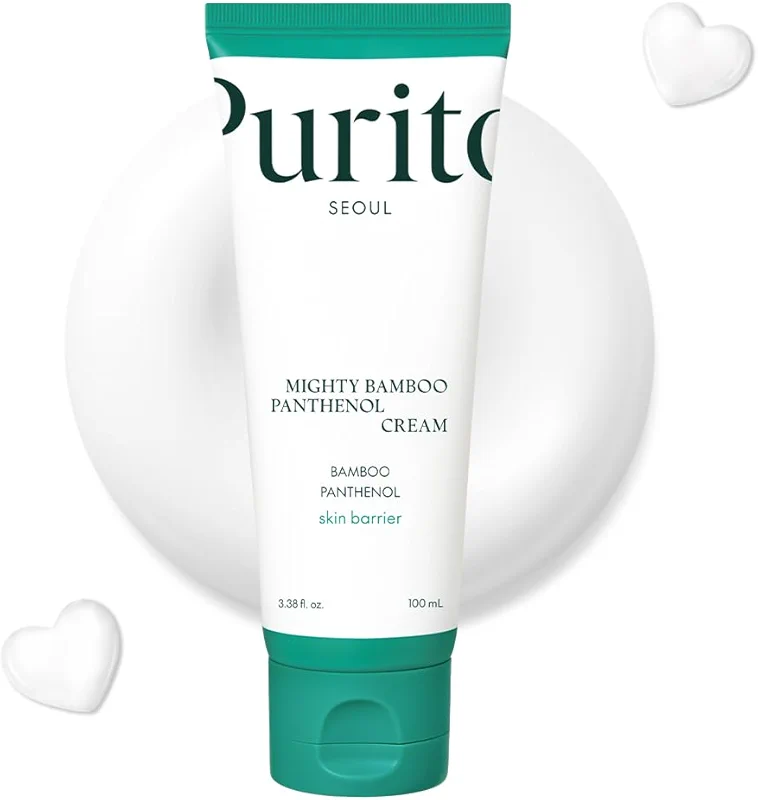
PURITO
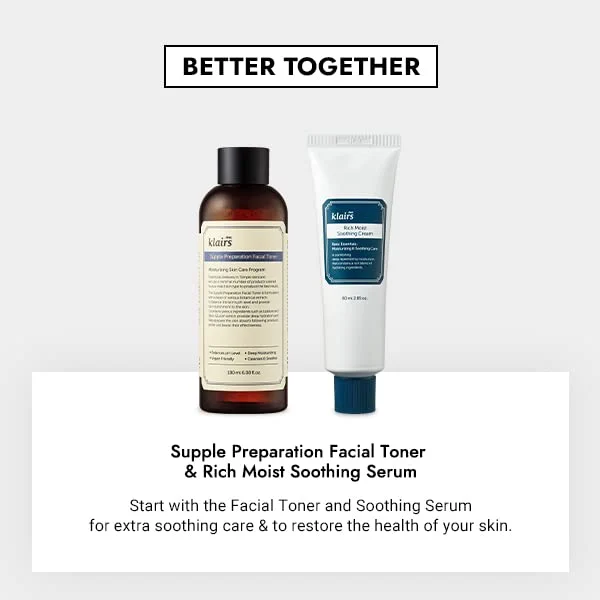
PURITO Panthenol 10% Post-Acne Cream | Moisturizer for Blemish Marks
4.5★ · $17.98