Serene · Ingredient guide
Rice extract
Rice extract: hanbang's quiet glow-up, no hype required.
Also listed as: rice extract, rice ferment, oryza sativa, rice water
Rice extract has been in my life since I was a kid, watching my halmeoni soak rice for her morning ritual in Incheon. It's not some trendy TikTok find; it's hanbang basics, that old-school Korean herbal wisdom. In skincare, we're talking rice extract, rice ferment, Oryza sativa, or rice water – all pulling from the grain's natural compounds. What I care about is the glow it delivers, not through harsh scrubs or bleaching agents, but via gentle fermentation that amps up antioxidants and enzymes. I've used it in my Flushing apartment routine for years, especially after long subway commutes when my skin looks dull under office fluorescents. It's reliable, like COSRX's no-frills ethos, and it fits my three-step sanity saver without adding hype or hassle. No miracles, just that subtle brightening that makes you look rested after a late night writing for Seoul Rite.
What it does for your skin
- Gently brightens dull skin with natural antioxidants.
- Fades mild hyperpigmentation over consistent use.
- Hydrates without greasiness, ideal for combo types.
- Soothes irritation and supports barrier repair.
- Adds a subtle glow via fermented enzymes.
- Reduces inflammation from environmental stress.
The science, plainly
Rice extract comes from Oryza sativa, the rice plant, often processed into water, ferment, or concentrated extracts. The key is fermentation: soaking or fermenting rice breaks down starches into simpler sugars, releasing ferulic acid, allantoin, and phenolic compounds. These act as antioxidants, neutralizing free radicals that cause dullness and pigmentation. At the skin level, it inhibits tyrosinase, the enzyme behind melanin production, which helps fade hyperpigmentation without irritation. Studies, like one in the Journal of Cosmetic Dermatology, show rice water extracts reduce UVB-induced damage by boosting glutathione levels, a master antioxidant that supports even tone. Fermented versions have more bioavailable vitamins (B1, B3, E) that strengthen the barrier – think of it as the skin's outer armor, made of lipids and proteins that lock in moisture and block irritants. It's not aggressive like vitamin C; it's milder, working through subtle enzymatic action to promote cell turnover. I've seen it calm my jawline sensitivity, and that's no placebo – it's the compounds interacting with skin cells directly.
Who it's for
This is for anyone chasing that effortless hanbang glow, especially if you have dull, uneven tone from city life or winter dryness like my New York cheeks. Combination or sensitive skin benefits most – it hydrates the T-zone without oiliness and calms reactive areas. If you're dealing with post-acne marks or just tired-looking skin after late shifts, it'll help. Skip it if your routine's already packed with strong actives like retinoids; rice extract is supportive, not a heavy hitter. Not ideal for very oily acne-prone folks who need mattifying power over gentle brightening.
How to use it
I slot rice extract into my PM routine, after cleansing but before essence or serum, about three nights a week to start. Use a fermented toner version – pat it on with hands or a cotton pad for that even layer. In the AM, if I'm rushed for work, a quick rice water mist sets my SPF nicely without tackiness. Layer it under moisturizer; it plays well with niacinamide or hyaluronic acid, but wait two minutes if using acids. Frequency: build to daily if your skin tolerates it, but I ramp up slowly to avoid any flush. Travel tip: decant into a small spray bottle for subway touch-ups. Keeps things simple, like my halmeoni's three steps.
Things to watch for
Irritation is rare, but if your skin's super sensitive like my nose area, patch test first – fermentation can sometimes bring mild yeast notes that bother allergies. Look for 1-5% concentrations in INCI lists; higher might dry out. Avoid if you're gluten-sensitive, though rice is naturally gluten-free, some ferments cross-contaminate. Watch for fakes in cheap serums claiming 'pure rice water' – check for Oryza sativa and skip anything with added fragrances that hide weak formulas. No major layering conflicts, but don't mix with strong exfoliants daily to prevent barrier overload.
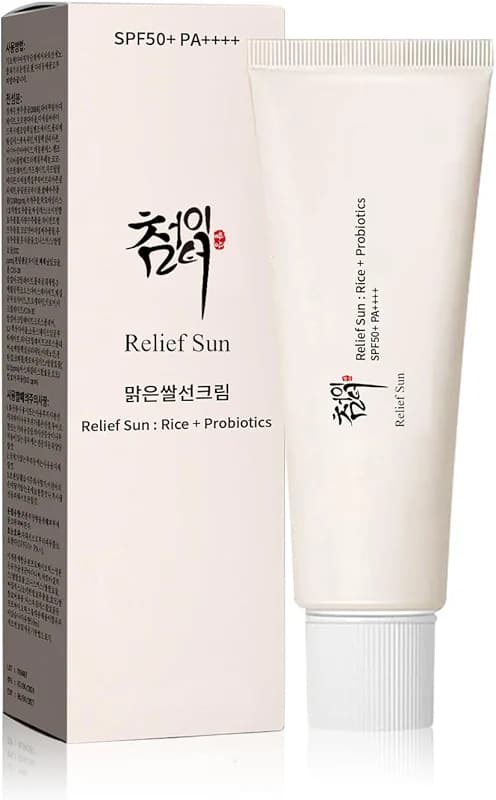
4 Rice extract picks from Serene's catalog
Products in the Seoul Rite catalog that contain rice extract, ranked by buyer rating × review volume.
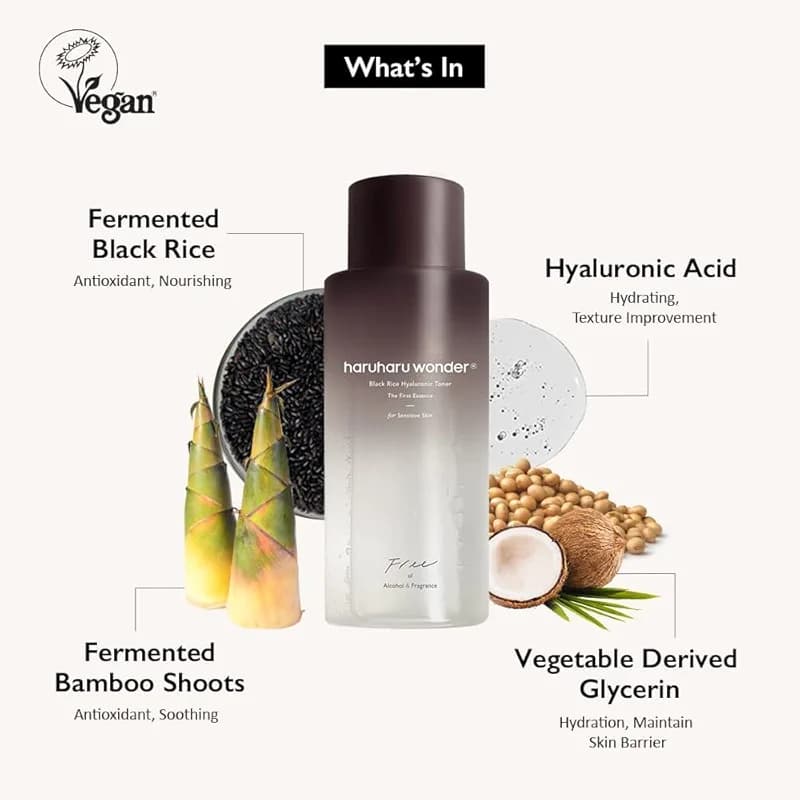
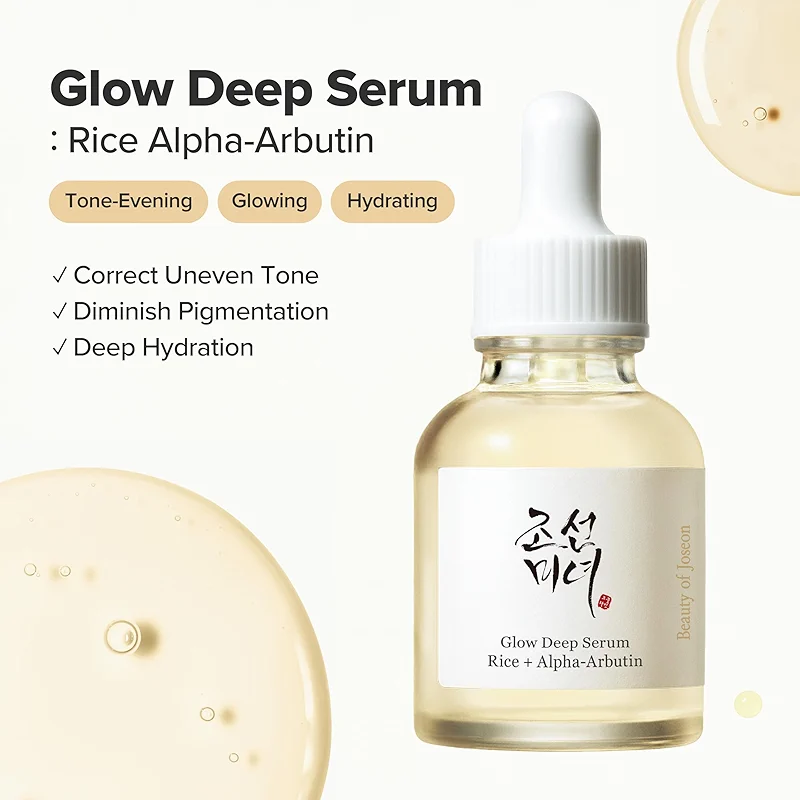
Beauty of Joseon
Beauty of Joseon Glow Deep Serum Rice Alpha-Arbutin for Uneven Dull Skin
4.5★ · $16.82
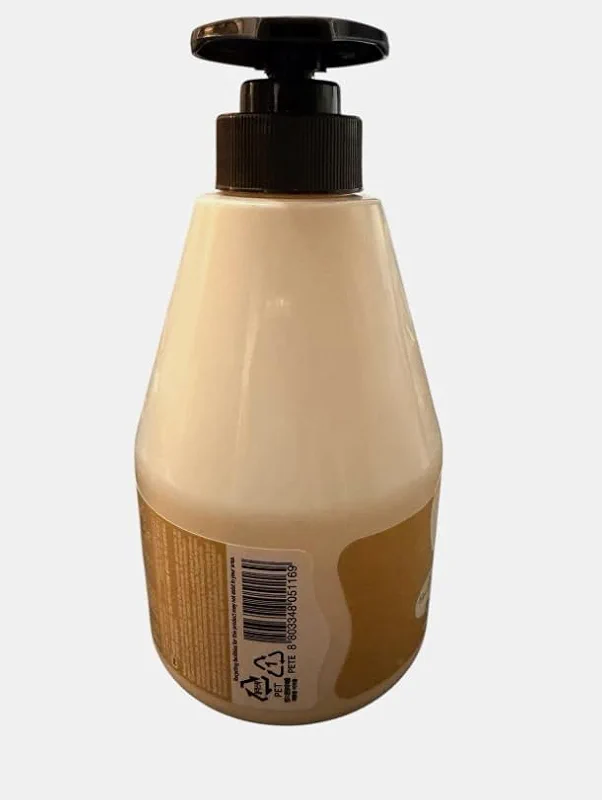
Kwailnara
KWAILNARA Rice Milk Body Wash (19.75 Fl Oz) – Korean Body Cleanser for
4.5★ · $15.99